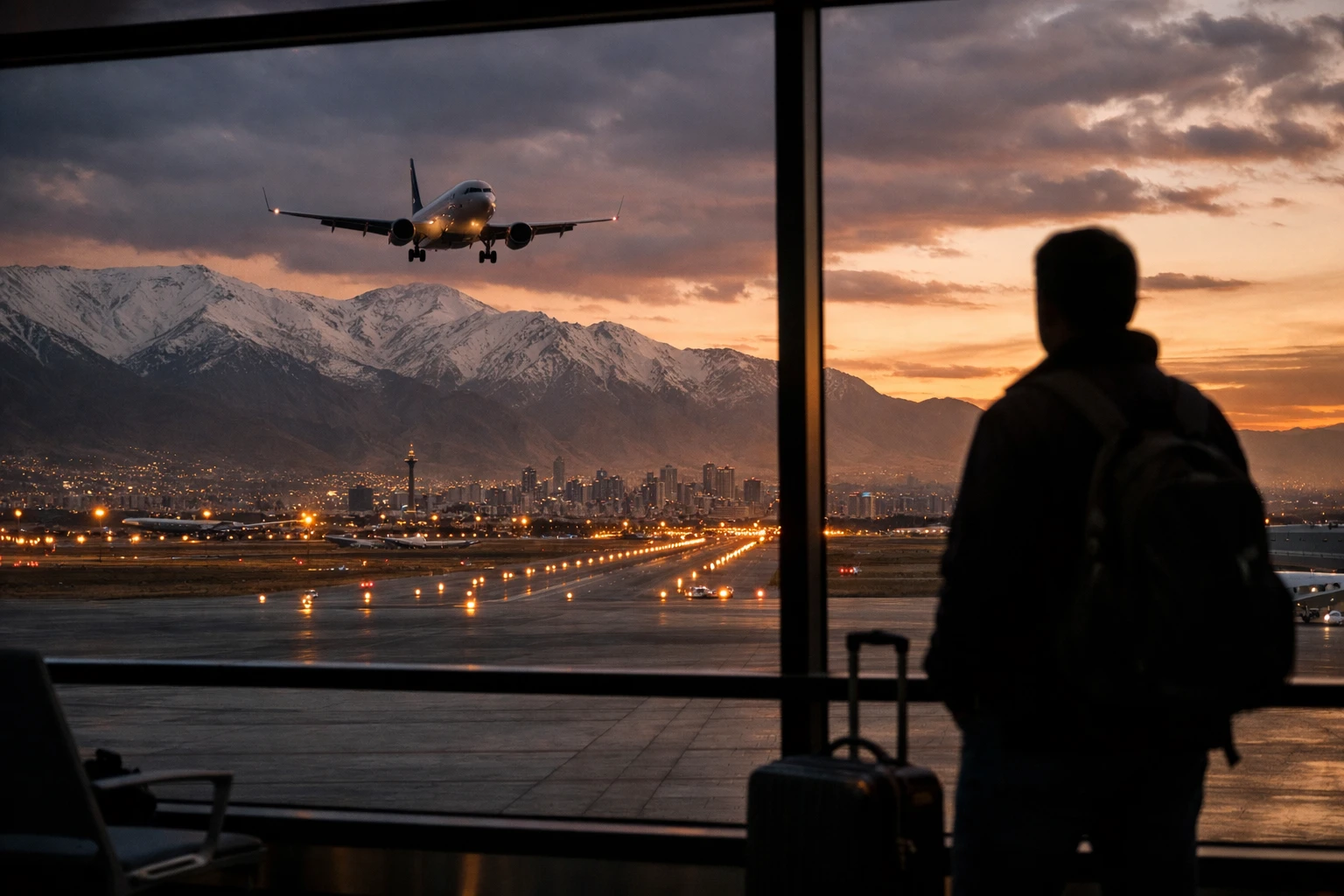
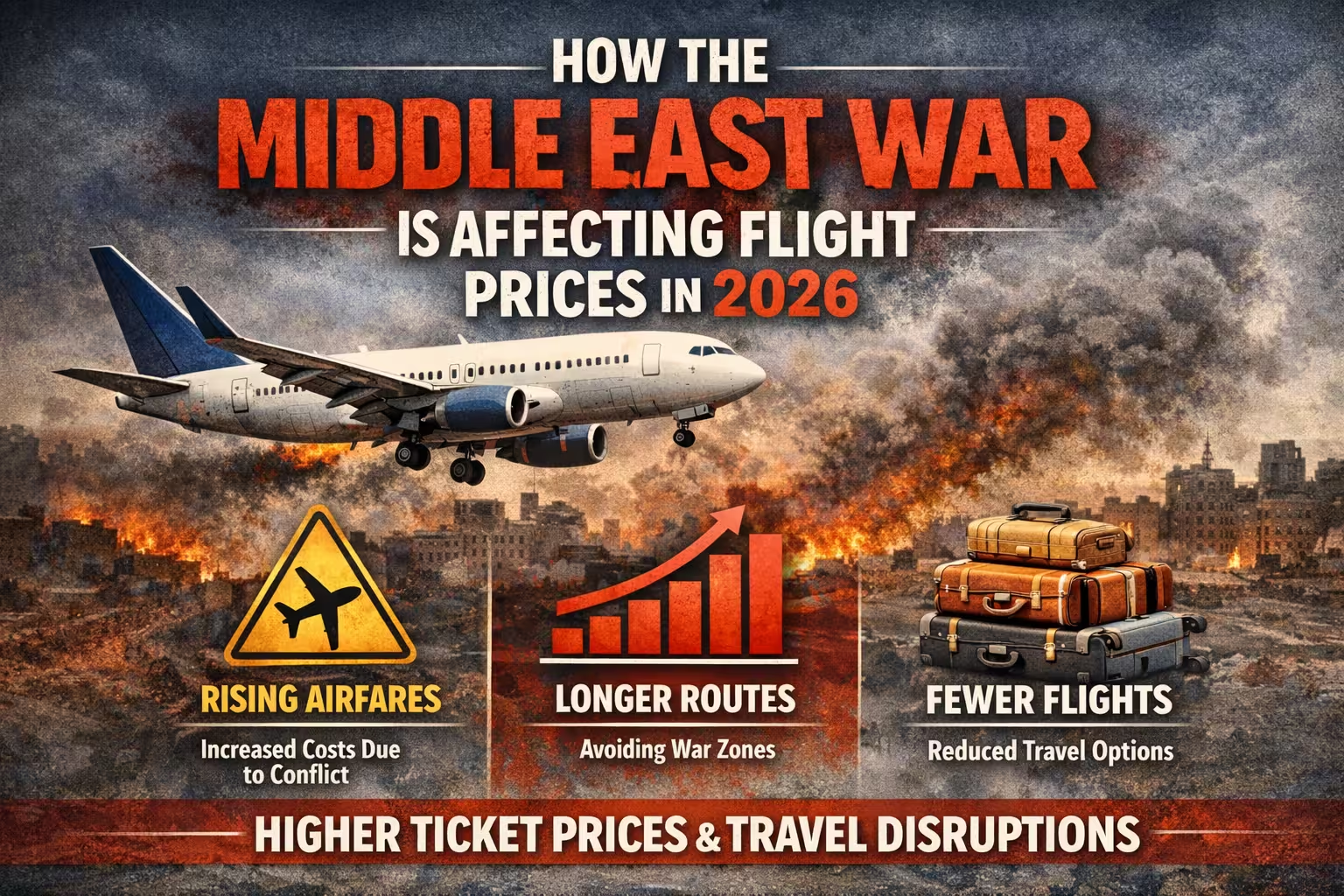
If you have been searching for flights to Tehran and noticed prices lower than expected, you are not imagining it. Tehran fares in March 2026 are sitting unusually low — and the reason has nothing to do with seasonal deals or airline promotions. It is a direct consequence of the ongoing US-Israel conflict with Iran, which has caused demand to collapse on one of the world’s most sensitive flight routes.
Understanding why those prices are low is just as important as knowing whether it is safe to act on them.
Why Are Flights to Tehran Cheap in March 2026?
Flights to Tehran are cheap in March 2026 primarily because traveller demand has dropped sharply following the US-Israel military strikes on Iran that began on 28 February 2026. Airlines are lowering fares to fill seats on a route that most travellers are currently avoiding, creating a temporary price reduction driven by fear and uncertainty rather than genuine value.
The Conflict That Changed Everything
On 28 February 2026, the United States and Israel launched coordinated military strikes on Iran. The conflict escalated rapidly, with Iran retaliating against Gulf nations hosting US military bases. Within hours, airspace across Iran, Iraq, Israel, Jordan, Kuwait, Qatar, and the UAE closed or became severely restricted.
The immediate impact on aviation was enormous. More than 46,000 flights in and out of the Middle East were cancelled between 28 February and 11 March 2026, according to aviation analytics firm Cirium. Dubai International Airport — the world’s busiest international hub — shut down. So did major airports in Doha and Abu Dhabi.
Tehran itself became a conflict zone. Explosions struck the city, and Iran’s own airspace became subject to military activity. For the average traveller, flying to Tehran in this environment is not a standard booking decision — it carries genuine risk that goes beyond typical travel inconvenience.
Why Low Demand Means Low Prices on the Tehran Route
Airline pricing is built on one fundamental rule: when demand falls, prices follow. The Tehran route is currently experiencing one of the sharpest demand collapses of any destination in the world right now.
Here is the mechanism that creates those low fares:
Travellers Are Avoiding Iran Entirely
Most leisure travellers and business visitors have cancelled or postponed plans to visit Iran. The UK Foreign, Commonwealth and Development Office (FCDO) advises against all travel to Iran. Similar advisories are in place from the US State Department, the Australian Department of Foreign Affairs, and the Canadian government. When governments tell their citizens not to travel somewhere, bookings on that route fall dramatically.
Airlines Need to Fill Remaining Seats
Despite the conflict, some airlines are still operating limited services to Tehran’s Imam Khomeini International Airport (IKA). Turkish Airlines, Iraqi Airways, and a small number of regional carriers continue to fly limited schedules. With very few passengers willing to book, these carriers lower prices to fill whatever seats they can. The result is fares that look attractively low on comparison sites — but carry significant caveats.
Fare Data Reflects a Broken Market, Not a Real Deal
Flight aggregator sites pull in all available fares regardless of context. When you see a low Tehran fare in March 2026, you are looking at the remnants of a route that is barely functional. The low price reflects a market that has essentially collapsed, not a promotional opportunity.
What UK Travellers Specifically Need to Know
The UK has a particularly strong connection to the Tehran route. London Heathrow and Manchester both serve significant Iranian diaspora communities, and Iran Air historically operated direct services between the UK and Iran. That context makes the Tehran search query especially active among UK-based travellers — many of whom have family in Iran and are monitoring prices closely.
Here is what UK travellers should understand right now:
The FCDO Advises Against All Travel to Iran
The UK Foreign, Commonwealth and Development Office has placed Iran under its highest travel warning — advise against all travel. This is not a standard caution. It means the British government considers travel to Iran currently unsafe for its nationals.
Travelling against FCDO advice has serious practical consequences:
- Most standard travel insurance policies become void when you travel to a destination the FCDO advises against
- ATOL protection applies to package holidays, but standalone flights to Iran are not covered under ATOL if things go wrong
- If you need consular assistance whilst in Iran, the UK’s ability to help is extremely limited — the UK does not have a standard embassy relationship with Iran

British Nationals Are Already Stranded in the Region
More than 138,000 British nationals in the broader Middle East region contacted UK authorities for assistance following the outbreak of conflict, according to the UK Foreign Office. The government has organised charter repatriation flights, though these have faced significant logistical challenges. The situation illustrates clearly that even travellers who are not in Iran itself have faced severe disruption throughout the region.
Travel Insurance Will Not Cover You
Most standard travel insurance policies — including those from leading UK providers — do not cover acts of war. As comparison platform Compare the Market has noted, travellers visiting or near war zones need specialist insurance that explicitly includes war cover. Standard policies do not apply. If you travel to Tehran right now without specialist cover, you travel entirely at your own financial risk.
Will Tehran Flight Prices Stay Low or Spike Suddenly?
This is the question most travellers monitoring the route are asking. The honest answer is: prices on the Tehran route can move in either direction very quickly, and the trigger is entirely geopolitical.
Scenario 1 — The Conflict Escalates Further
If military activity in and around Iran intensifies, the remaining airlines still operating to Tehran may suspend services entirely. In that case, any fares currently visible on comparison sites would simply disappear. You would not get a lower price — the route would become unavailable.
Scenario 2 — A Ceasefire or Diplomatic Resolution
If the conflict moves towards a ceasefire, demand for Tehran flights could rebound sharply as diaspora travellers and postponed business visitors rush to book. Prices would likely rise quickly as seats fill and airlines regain confidence in the route. The current low fares would vanish within days of any significant peace development.
Scenario 3 — A Prolonged Stalemate
If the conflict settles into a drawn-out, lower-intensity phase without resolution, Tehran fares may remain suppressed for weeks or months. This is the scenario that typically produces the longest window of lower prices on conflict-affected routes, though travel risk remains.
The key point is this: low prices on the Tehran route right now are a symptom of danger, not an opportunity. They reflect the fact that few people want to fly there. That is not the same as a sale.
How the Iran Conflict Is Affecting Jet Fuel Costs Globally
Even if you are not considering flying to Tehran, the conflict has a direct impact on flight prices everywhere in the world.
Jet fuel prices, which were around $2.11 per gallon at the start of 2026, had risen to $3.40 per gallon by 10 March 2026, according to Argus data. Airlines including Air New Zealand, Thai Airways, Cathay Pacific, Qantas, and SAS have already announced fare increases or fuel surcharge hikes in response.
The Strait of Hormuz — through which a significant share of global oil trade passes — has been directly threatened by the conflict. As long as that corridor remains under pressure, global fuel costs remain elevated, and airlines around the world pass those costs on to passengers.
Skift Research has estimated that US domestic flight prices may need to rise by at least 11 per cent to offset current fuel costs. European carriers face similar pressures. This means that even travellers with no plans to visit the Middle East will likely pay more for flights in the coming weeks and months.
Tehran Flight Route Comparison: Before and After the Conflict
| Route | Typical Pre-Conflict Fare (Return) | Current Situation | Status |
|---|---|---|---|
| London to Tehran | £400–£600 | Limited availability, some low fares visible | FCDO advises against all travel |
| Istanbul to Tehran | $150–$250 | Turkish Airlines operating limited schedule | Risk elevated |
| Dubai to Tehran | $200–$350 | Emirates suspended, no service | Route unavailable |
| Doha to Tehran | $180–$300 | Qatar Airways suspended | Route unavailable |
| Frankfurt to Tehran | €500–£750 | Lufthansa Group suspended | Route unavailable |
| Moscow to Tehran | $300–$450 | Limited services operating | Risk elevated |
Fares and availability change rapidly. Always verify directly with the airline before making any booking decisions.
What Travellers With Essential Reasons to Visit Should Consider
For travellers with unavoidable reasons to visit Iran — such as family emergencies or essential personal obligations — here is practical guidance:
- Book flexible tickets only. Do not purchase basic economy or non-refundable fares. A standard full-fare economy ticket allows you to change or cancel if conditions deteriorate further.
- Use airline miles where possible. Miles can typically be refunded if a flight is cancelled, giving you more flexibility than a cash booking.
- Register with the FCDO. UK travellers can register their presence in Iran with the British government, which assists with consular communication in emergencies.
- Obtain specialist travel insurance. Standard policies are void under FCDO all-travel advisories. Only specialist war-zone cover would apply.
- Monitor the FCDO travel advisory page directly at gov.uk/foreign-travel-advice/iran for real-time updates.
- For More Updates for flights updates we update on daily basis.
Frequently Asked Questions
Flights to Tehran are cheap in March 2026 because demand has collapsed following the US-Israel military strikes on Iran. Most travellers are avoiding the route, leaving airlines with unsold seats they are pricing low to fill. This is not a promotional deal — it reflects a market where very few people are willing to travel to Iran under current conditions.
The UK FCDO, US State Department, and multiple other governments currently advise against all travel to Iran. Military conflict is ongoing, airspace remains unstable, and emergency assistance from foreign governments within Iran is extremely limited. Travellers should consult their government’s official travel advisory before making any decisions.
Tehran flight prices could move sharply in either direction. A ceasefire or diplomatic resolution would likely cause prices to rise quickly as demand returns. Further escalation could see remaining services suspended entirely. Prices are unlikely to stay at current levels for an extended period regardless of which direction the conflict moves.
Most standard travel insurance policies do not cover acts of war. Travelling to Iran while the FCDO advises against all travel will void most standard UK insurance policies. Only specialist travel insurance that explicitly includes war cover would apply. Always check your policy documentation before booking.
A small number of airlines including Turkish Airlines and Iraqi Airways are maintaining limited services to Tehran’s Imam Khomeini International Airport. Most major European and Gulf carriers, including British Airways, Lufthansa, Emirates, and Qatar Airways, have suspended all services to Iran. Check directly with individual airlines for current schedules, as these change frequently.
Conclusion
Flights to Tehran are cheaper than usual in March 2026 for one straightforward reason: the ongoing US-Israel conflict with Iran has caused traveller demand to collapse. What appears as a low fare on a comparison site is a reflection of a route operating under severe uncertainty, not a genuine travel opportunity.
For travellers with essential reasons to visit Iran, careful planning, flexible booking, and specialist insurance are essential. For everyone else, the current low fares on the Tehran route are best understood as a signal to wait, not a reason to book.
Prices across all global routes are likely to rise in the coming weeks as conflict-driven fuel costs filter through to airline fares. Understanding the dynamics behind today’s prices helps you make better-informed booking decisions for any destination.
Last updated: March 2026. Travel advisories change rapidly during active conflicts. Always check your government’s official travel advisory before booking any flights to or through the Middle East.